How to Brush Your Teeth Correctly
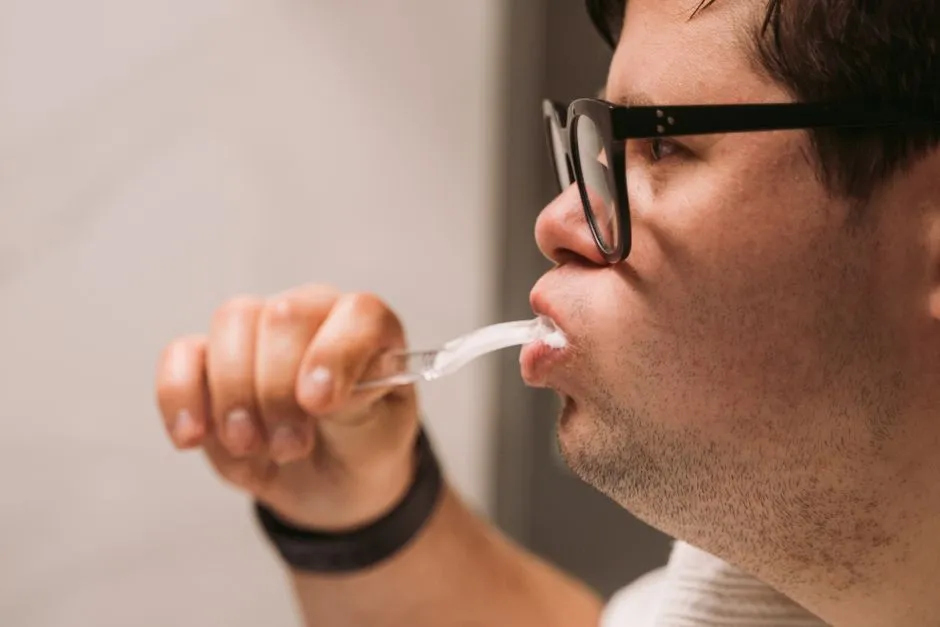
Correct brushing is gentle and systematic
For most adults, mainstream dental guidance is to brush twice a day for about two minutes with fluoride toothpaste. Use a soft-bristled toothbrush whose head reaches the back teeth comfortably. Brushing before bed is especially important; choose another consistent time for the second session.
This routine supports everyday hygiene, but it cannot diagnose or treat pain, swelling, decay, gum disease, or another condition. A dentist or dental hygienist can adapt it for your mouth.
Set up the brush
Apply toothpaste according to the product label. Look for fluoride toothpaste with a recognized dental acceptance mark where available. Prescription or high-fluoride toothpaste should be used only as directed by a dentist.
Place the bristles at roughly a 45-degree angle toward the gumline. The tips should touch the teeth and the margin where teeth meet gums without splaying widely. Use short, gentle, tooth-wide strokes rather than long horizontal scrubbing.
An electric brush may do some of the motion for you. Guide it slowly across each surface and follow its instructions instead of adding a vigorous manual scrub.
Cover every surface for two minutes
Divide the mouth into four sections and spend about 30 seconds in each. In every section, clean:
- the outer surfaces facing the cheeks and lips;
- the inner surfaces facing the tongue and palate; and
- the chewing surfaces of the back teeth.
For the inside of the front teeth, tilt a manual brush vertically and use several small up-and-down strokes. Move in the same order each time so a rushed morning does not always miss the same area.
Two minutes is a useful coverage target, not permission to press hard. A timer helps, but the real goal is to reach every surface gently.
Spit without immediately rinsing
After brushing, spit out the excess toothpaste and avoid swallowing it. Many official guidelines advise not rinsing immediately with water because rinsing removes fluoride left by the toothpaste. If you use mouthwash, using it at a different time avoids washing away that concentrated fluoride.
People with swallowing difficulties, specialized toothpaste, oral surgery instructions, or other medical needs should follow their clinician's directions.
Adapt the routine when access is difficult
A small brush head may reach crowded or rear areas more comfortably. A built-up handle, powered brush, mirror, or seated position may help someone with limited grip, balance, or shoulder movement. A caregiver should receive hands-on instruction when providing mouth care.
Braces, bridges, implants, dentures, and recent dental work can require additional tools or a modified angle. Do not improvise around a surgical site or removable appliance; follow the dentist's written aftercare and ask for a demonstration if any step is unclear.
Maintain the brush
Rinse the brush after use and let it air-dry upright where possible. Do not share toothbrushes. Replace a manual brush or electric head about every three to four months, or sooner if the bristles fray. Worn bristles clean poorly, and early splaying may mean you are pressing too hard.
Store multiple household brushes so their heads do not touch. Follow the manufacturer's cleaning and charging instructions for powered handles; do not immerse a handle unless its instructions explicitly allow it.
Brushing does not reach every space
A toothbrush cleans exposed surfaces but may not reach effectively between neighboring teeth. Daily interdental cleaning is a separate part of mainstream oral-care guidance. The guide to cleaning between teeth safely explains floss and brush technique without forcing a tool into the wrong space.
Food choices, tobacco avoidance, and regular dental visits also matter. Visit frequency is individualized, so ask your dentist when you should return rather than relying on one schedule for everyone.
Know when technique is not the answer
Do not try to brush through significant pain or treat a symptom by changing products repeatedly. Contact a dentist for persistent bleeding, pain, swelling, trauma, loose teeth, a bad taste, a sore or patch that does not heal, or any change that worries you. Swelling that affects breathing or swallowing requires emergency care.
For routine technique, a hygienist can watch you brush and show where pressure, angle, or coverage needs adjustment. Explore more foundational guidance in Brushing Basics.