When to Replace Your Toothbrush or Brush Head
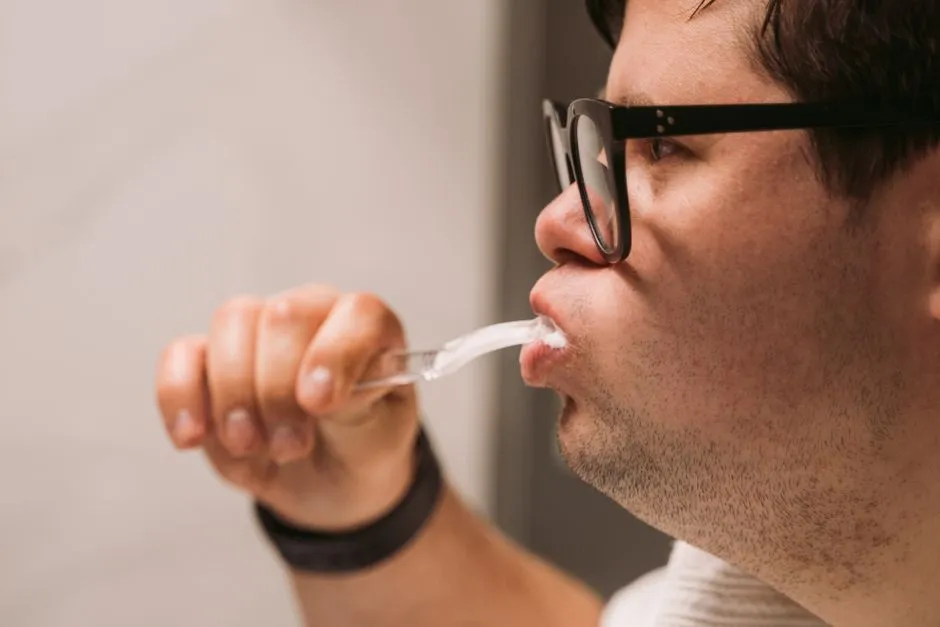
- Replace the brush on a schedule and by condition
- What signs mean a toothbrush should be replaced early?
- Do electric toothbrush heads follow the same rule?
- Should you replace a toothbrush after being ill?
- How should you care for a brush between replacements?
- Keep a simple replacement record
- A new brush does not treat a dental symptom
Replace the brush on a schedule and by condition
Replace a manual toothbrush or powered brush head about every three to four months, and replace it sooner when the bristles become visibly matted or frayed. The calendar is a reminder, not a reason to keep using a brush that is already worn.
That timing comes from the American Dental Association's current toothbrush guidance. A dentist or dental hygienist may recommend a different schedule for a particular appliance, oral condition, or care plan.
What signs mean a toothbrush should be replaced early?
Look at the bristle tips in good light. Replace the brush or head when:
- bristles spread well beyond the original outline;
- tufts are bent, flattened, or tangled;
- the head has a cracked or damaged part; or
- the manufacturer's wear indicator says replacement is due.
A color-change indicator is useful only when the product instructions explain what it means. It does not override obvious physical damage.
If bristles repeatedly splay after a short period, review your technique. Brushing harder is not a better clean. Use a soft-bristled brush, gentle pressure, and the systematic coverage described in how to brush your teeth correctly. A hygienist can watch your technique and show whether pressure or angle needs adjusting.
Do electric toothbrush heads follow the same rule?
The same three-to-four-month benchmark is a practical starting point for replaceable powered heads, but the manufacturer's instructions take priority for the model in your hand. Replace the head sooner if its bristles are frayed or the head is damaged.
Do not keep a damaged powered head attached because the motor still runs. A loose, cracked, or distorted part belongs out of service. Follow the manual for fitting, cleaning, charging, and replacing components; do not improvise a repair on a part used inside the mouth.
Should you replace a toothbrush after being ill?
Routine replacement after every cold is not part of the ADA's general three-to-four-month recommendation. The ADA notes that toothbrushes can carry microorganisms but says there is no evidence that those organisms cause adverse health effects. Do not share a toothbrush, during illness or at any other time.
Individual circumstances can change the advice. Ask the relevant clinician about replacement after an infection if you are severely immunocompromised, have recurrent cold sores, share a close toothbrush holder with someone who is ill, or have been given specific instructions after treatment. General internet advice should not override a medical or dental care plan.
How should you care for a brush between replacements?
After brushing, rinse the toothbrush thoroughly to remove toothpaste and debris. Store it upright where it can air-dry. If several brushes share a holder, keep the heads from touching.
Avoid sealing a wet brush in a closed container for everyday storage. The ADA explains that a moist, closed environment promotes more microbial growth than open-air drying. A travel cover can protect the head in luggage, but let the brush dry before packing it when possible and unpack it promptly afterward.
Do not microwave a toothbrush or put it in a dishwasher. The ADA warns that high heat can damage the brush. There is also limited evidence on toothbrush sanitizing, so a gadget or soaking routine is not a substitute for rinsing, drying, not sharing, and replacing a worn brush.
Keep a simple replacement record
Write the month on the handle with a suitable label, set a phone reminder for three months, or change all household brush heads on the same recurring date. Then inspect the bristles during use rather than waiting for the alert.
If one person consistently wears out a brush much earlier than everyone else, do not simply shorten the calendar forever. Check pressure and technique, and ask a dental professional for a demonstration if the pattern continues.
A new brush does not treat a dental symptom
Changing a worn brush improves the condition of the tool; it does not diagnose or treat pain, swelling, injury, persistent bleeding, a loose tooth, a bad taste, or a sore or patch that does not heal. Arrange prompt dental care for those changes or for any symptom that concerns you. Swelling that affects breathing or swallowing requires emergency care.
Replacement also does not make brushing reach every surface. Daily between-teeth care remains a separate part of oral hygiene; see how to clean between your teeth safely for a gentle overview of floss and interdental brushes.